New Beekeepers
Have you ever considered becoming a beekeeper? Would you like to find out more about bees and beekeeping?
For more information about our beginner’s training course, click the button below.
But if you would like to discover more, why not read a book?
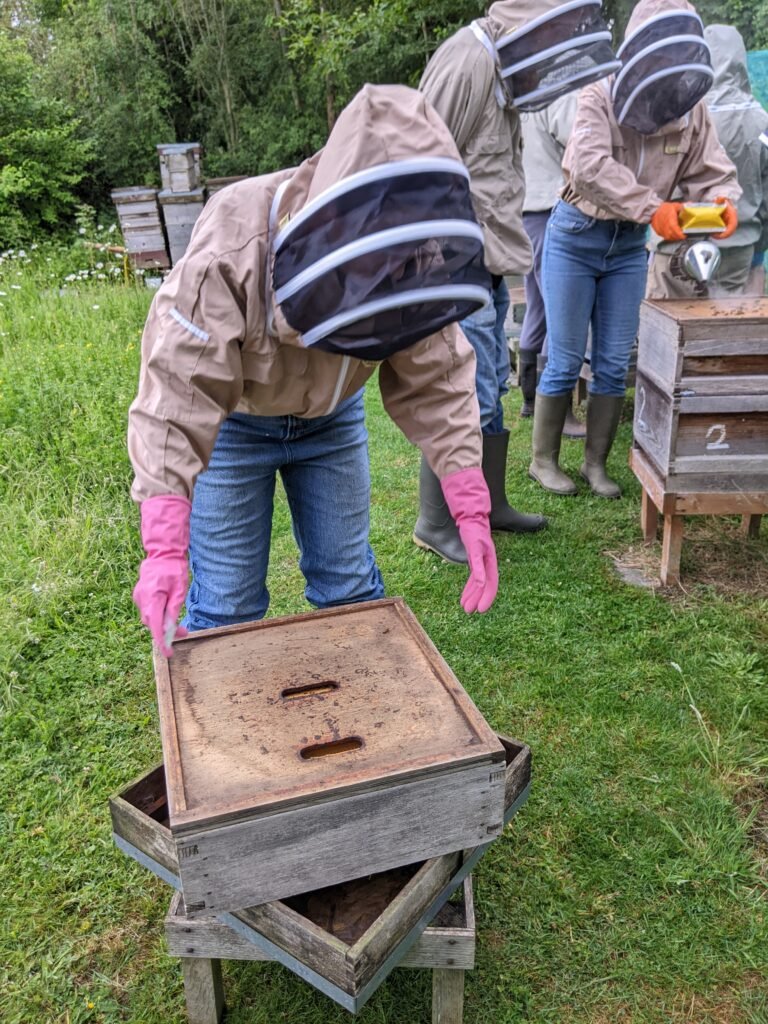
Or try one of our Taster sessions. Download the info below.
Becoming a Beekeeper
Beekeeping can be a fascinating and rewarding hobby. It brings you into close contact with the natural world and there is always something new to learn.
However, keeping honey bees also means taking responsibility for a colony of livestock – potentially tens of thousands of bees.
Before starting, it is worth understanding the cost, time commitment, knowledge required and responsibilities involved.
Before you start – at a glance
Typical start-up cost: approximately (2026) £650 for your first hive (self assembly), protective clothing and basic equipment. Where you obtain your bees from is varied, they can be from a swarm, or a split from your division which may not cost anything, or bought from a commercial bee company where a nucleus can cost up to £350.
Time commitment: approximately 30–60 minutes per hive per week during spring and summer, with less routine work during autumn and winter.
Regular inspections: during the active season your bees will need regular inspections. There will also be occasions when problems such as swarming require attention at short notice.
Training: you don’t need to know everything before you start, but practical training is strongly recommended. Join your local EBKA Division and attend a beginners’ course before buying bees.
1. Where do I start?
Start by learning – not by buying bees.
One of the best first steps is to contact your local Essex Beekeepers’ Association Division.
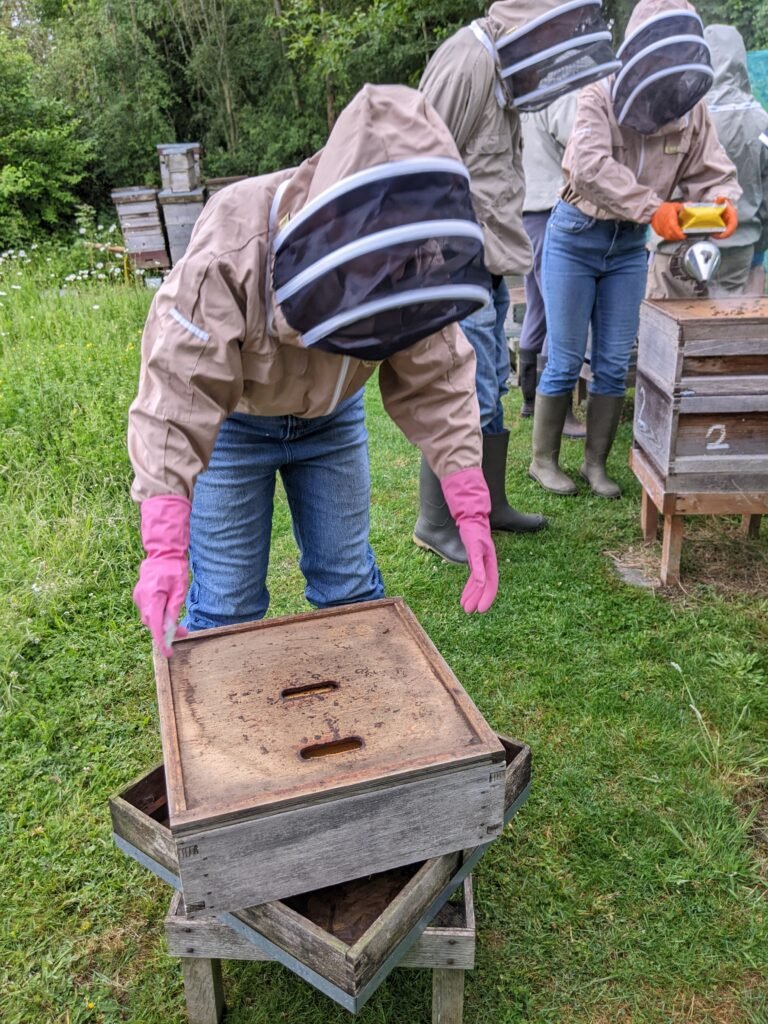
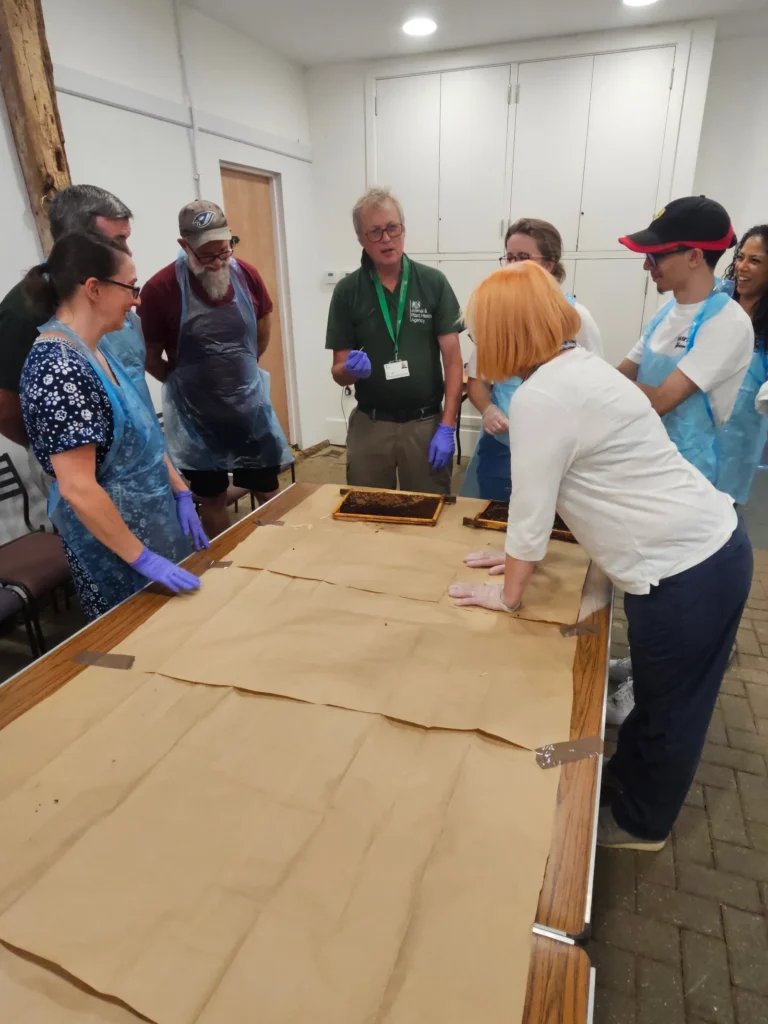
Most Divisions provide beginners’ courses, practical training, talks, demonstrations and opportunities to meet experienced beekeepers.
Where possible:
- Attend a beginners’ course or taster session.
- Handle bees with an experienced beekeeper.
- Visit an association apiary.
- Talk to local beekeepers about equipment.
- Take advice before buying your bees.
Doing this before buying equipment can save considerable expense and will help you decide whether beekeeping is really for you.
2. How much does beekeeping cost?
As an approximate guide, someone starting with one colony might expect:
- Bee suit/veil: £70–£150
- Gloves: £10–£30
- Smoker: £25–£50
- Hive tool: £10–£20
- Complete hive with frames and foundation: £350–£600
- Nucleus colony of bees: £0–£350
- Feeders and other small equipment: £30–£75
Allow approximately £600 – £800 to get started
This is an indicative cost for someone starting with one colony and buying mainly new equipment.
There will also be ongoing costs for frames and foundation, feeding, Varroa treatments and replacement equipment.
Honey extraction requires additional equipment, but many local associations have extractors which members can borrow or hire.
Before buying a hive, talk to your local Division. There are several different hive types and it can be helpful to use equipment commonly used by other beekeepers in your area.
3. How much time does beekeeping take?
Beekeeping is very seasonal.
Spring – around 30–60 minutes per hive per week
Colonies expand rapidly and regular inspections become increasingly important.
You will be checking colony strength, food stores, brood and queen performance, available space, pests and disease and signs of preparation for swarming.
Summer – around 30–60 minutes per hive per week
During the swarming season colonies are commonly inspected approximately every seven days.
You may need to manage swarming, add space or honey supers, monitor the queen and check colony health.
The 30–60 minute estimate covers routine management. Swarm control, queen problems and harvesting honey can require additional time.
Autumn – around 30–60 minutes per hive per week initially
The workload reduces as winter approaches.
The emphasis changes to food stores, feeding where necessary, Varroa management and preparing the colony for winter.
Winter – perhaps 1–2 hours per month
Colonies are normally left largely undisturbed.
Time is spent checking hives externally, monitoring food where necessary, cleaning and repairing equipment and preparing for the following season.
Remember: bees cannot always wait until it is convenient. Occasionally a colony will require attention at short notice.
4. What sort of bees should I keep?
Honey bee colonies can differ considerably.
Important characteristics include:
- Temperament
- Tendency to swarm
- Productivity
- Disease resistance
- Wintering ability
- Speed of spring development
For a beginner, good temperament is particularly important.
Learning with a calm, manageable colony is considerably easier than starting with defensive bees.
Ask your local association for advice before buying bees.
5. Why choose local bees?
Where suitable bees are available, there are advantages to obtaining bees from a reputable local beekeeper.
Locally raised bees may be better suited to local conditions, forage and climate.
Buying locally can also allow you to know more about the bees’ health, temperament and history, particularly when they come from a beekeeper known to your local association.
Moving bees over long distances can also contribute to the movement of pests and diseases.
The priority should always be healthy, good-tempered bees from a reputable source.
Ask your local Division for advice before purchasing bees, particularly before buying bees online.
6. Where should I keep my bees?
Choosing your apiary is one of the most important decisions you will make.
Consider:
- Neighbours – could your bees cause a nuisance?
- Flight paths – where will bees entering and leaving the hive fly?
- Access – can you easily carry equipment and heavy boxes of honey?
- Working space – is there enough room to work safely?
- Expansion – is there room if one colony becomes two?
- Forage – is there suitable flowering habitat nearby?
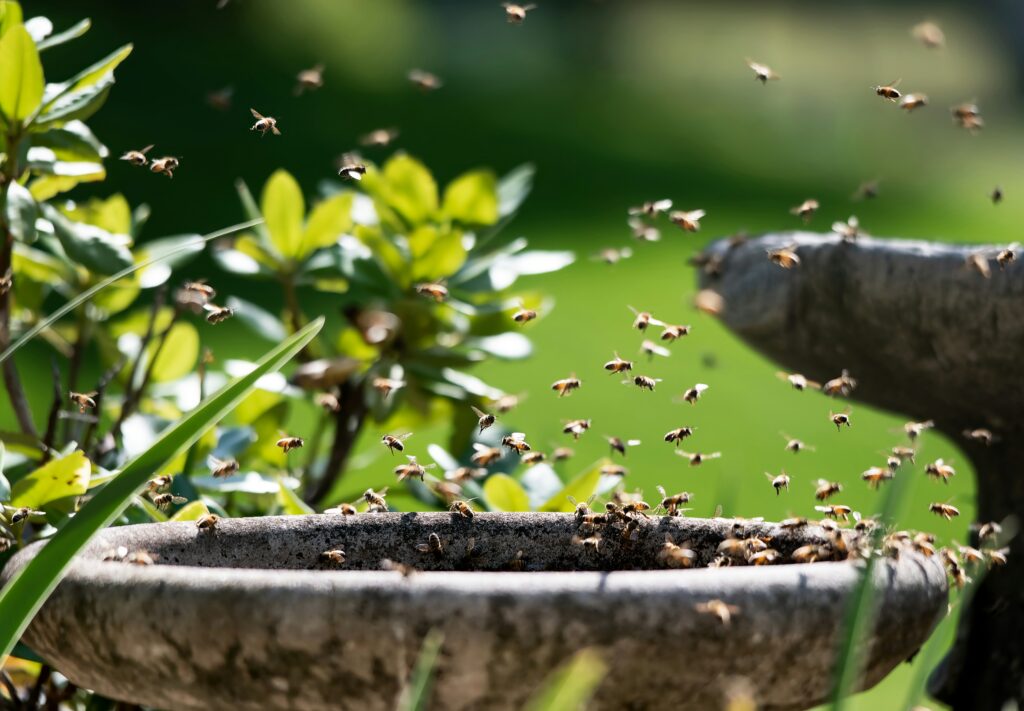
- Water – bees require access to water.
- Shelter – avoid very exposed locations.
- Drainage – avoid damp or waterlogged sites.
- Sun and shade – consider the position throughout the day.
- Public access – consider paths, roads and neighbouring property.
- Livestock and wildlife – could the hives be disturbed?
- Security – could the bees or equipment be interfered with?
A large garden can make an excellent apiary, but simply having enough physical space for a hive does not necessarily make a garden suitable.
Your local association can help you assess a potential site.
7. Keeping healthy bees
An important part of becoming a beekeeper is learning to recognise a healthy colony.
You should gradually learn to recognise:
- Eggs, larvae and sealed brood
- Worker bees, drones and the queen
- A healthy brood pattern
- Adequate food stores
- Signs of Varroa
- Common pests and diseases
- Abnormal brood or colony behaviour
Beekeepers are strongly encouraged to register their colonies on BeeBase, the National Bee Unit’s beekeeping database.
Registration helps the National Bee Unit monitor and control pests and diseases and provide beekeepers with relevant information, including local disease alerts.
National Bee Unit – Honey bees: protecting them from pests and diseases
8. Join your local Beekeepers' Association
Don’t try to learn beekeeping entirely on your own.
Books, websites and videos are useful, but they cannot replace opening colonies alongside experienced beekeepers.
Membership of your local Division can give you access to:
- Beginners’ courses
- Practical training
- Association apiaries
- Mentoring
- Talks and demonstrations
- Other local beekeepers
- Equipment to borrow or hire
- Advice about obtaining bees
- Continuing education
EBKA currently has eight active local Divisions:
Braintree – contact your local Division
Chelmsford – contact your local Division
Colchester – contact your local Division
Maldon & Dengie Hundred – contact your local Division
Epping Forest – contact your local Division
Romford – contact your local Division
Saffron Walden – contact your local Division
9. The BBKA Basic Assessment
Once you have gained some practical experience, we strongly encourage you to work towards the BBKA Basic Assessment.
It should not simply be regarded as an examination.
Preparing for the assessment provides a useful framework for ensuring you have learnt the fundamental skills required to manage honey bees safely and responsibly.
It covers areas including:
- Handling and examining a colony
- Understanding brood and colony development
- Swarming
- Feeding
- Equipment
- Bee health, pests and diseases
- Honey and beeswax
- Safe and responsible apiary management
It is an excellent first milestone in your beekeeping education.
10. Where can I learn more?
We recommend starting with established British beekeeping organisations and reliable sources.
Essex Beekeepers’ Association
Local courses, meetings, education and practical help for beekeepers throughout Essex.
Visit Essex Beekeepers’ Association
British Beekeepers’ Association
National information about beekeeping, education, training and assessments.
BBKA – Getting Started with Beekeeping
National Bee Unit / BeeBase
Essential information about honey bee health, pests and diseases.
National Bee Unit – Honey bees: protecting them from pests and diseases
11. Recommended books
You don’t need a shelf full of books to begin. A few good British reference books will provide an excellent foundation.
BBKA Guide to Beekeeping – Ivor Davis NDB & Roger Cullum-Kenyon
A good modern introduction written specifically for British beekeepers. It covers bees, equipment, obtaining your first colony, management and bee health.
A good first book for a prospective beekeeper.
Guide to Bees & Honey – Ted Hooper MBE
One of the classic British beekeeping books and particularly appropriate for an Essex reading list.
Ted Hooper was an Essex beekeeper and EBKA member. His book remains an excellent explanation of both how and why we manage honey bee colonies.
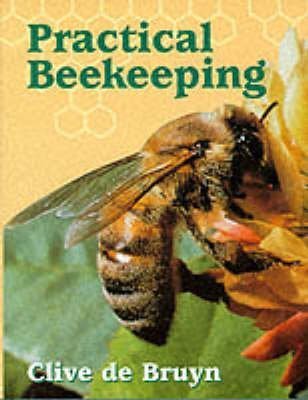
Practical Beekeeping – Clive de Bruyn
A comprehensive British beekeeping reference and another book with strong Essex connections.
It contains considerably more detail than a beginner initially needs, making it a useful reference as experience develops.
Ready to take the next step?
If beekeeping still appeals to you:
- Contact your local EBKA Division.
- Attend a taster session or beginners’ course.
- Read a good introductory beekeeping book.
- Handle bees alongside an experienced beekeeper.
- Think carefully about where you will keep your bees.
- Take advice before choosing a hive type or buying bees.
- Register with BeeBase when you start keeping bees.
- Continue learning through your local association.
- Work towards the BBKA Basic Assessment.
Beekeeping can provide a lifetime of interest and learning.
Interested?
Your next step isn’t to buy a hive – it’s to meet some beekeepers.